

Rewind and rewild
This conservation philosophy lets nature take the wheel
The concepts of nature preservation and conservation emerged and surged in popularity during the mid-19th century. At the time, land was cheap, and there were few regulations stopping industrialists from felling an inordinate amount of trees or polluting rivers. Urban centers had sprung up by then and stood in stark contrast to the so-called wilderness, fundamentally altering our species’s relationship to the living world.
Whereas the natural landscapes that bordered settlements until then had been considered dangerous places to avoid, those put off by the growth of filthy, overcrowded cities saw these untamed areas as pristine and idyllic in comparison. It was this group of mainly male, white, bourgeoise men that popularized leisure activities like hiking and fishing among their peers and birthed these two concepts.
Preservationists argued that nature should we preserved in its natural state free of human intervention. The irony being, of course, that indigenous tribes had been inhabiting, interacting with, and influencing these so-called untouched landscapes for centuries already. Conservationists took a more economically pragmatic approach, also arguing for the protection of these ecosystems but through a capitalist lens. That is, they wanted to regulate their exploitation so as to make resource extraction sustainable long-term.
Critics of these movements point out something that still holds true in some spheres of biodiversity preservation work today: they are far too anthropocentric. In other words, they put humans and our needs at the center of the entire endeavor, prioritizing the ways in which these natural systems can benefit us rather than protecting them because of the intrinsic value of their existence.
A spiritual successor of the pragmatic conservationist movement has even been gaining traction in corporate sustainability circles; that of giving monetary valuations to the ecosystem services that forests, rivers, and mountains provide. Proponents argue that doing so can better convince policymakers and businessmen to take environmental degradation seriously.
Another critique of the movements of the 19th century is that neither preservationists or conservationists cared much about the environmental degradation happening within the urban areas they so despised. For this reason, they were completely separate from the grassroots environmental justice efforts to clean up toxic waste sites, restrict the use of harmful chemicals like DDT, and improve air quality. Most of these initiatives were initiated locally and succeeded due to community advocacy.

The alienation of urban environmentalists from official conservation movements was due to a fundamental misconception of those in charge of them. In the same way that they erroneously regarded humans and nature as separate, they thought of the built environment, cities for example, and the natural environment as opposites that don’t mix. Experts today reject this false binary and say that the best way to protect wildlife is to create corridors for them even within urban centers, effectively integrating nature into cities and dissolving the urban-rural divide.
Rewilding them, one might even say.
Letting nature do its thing
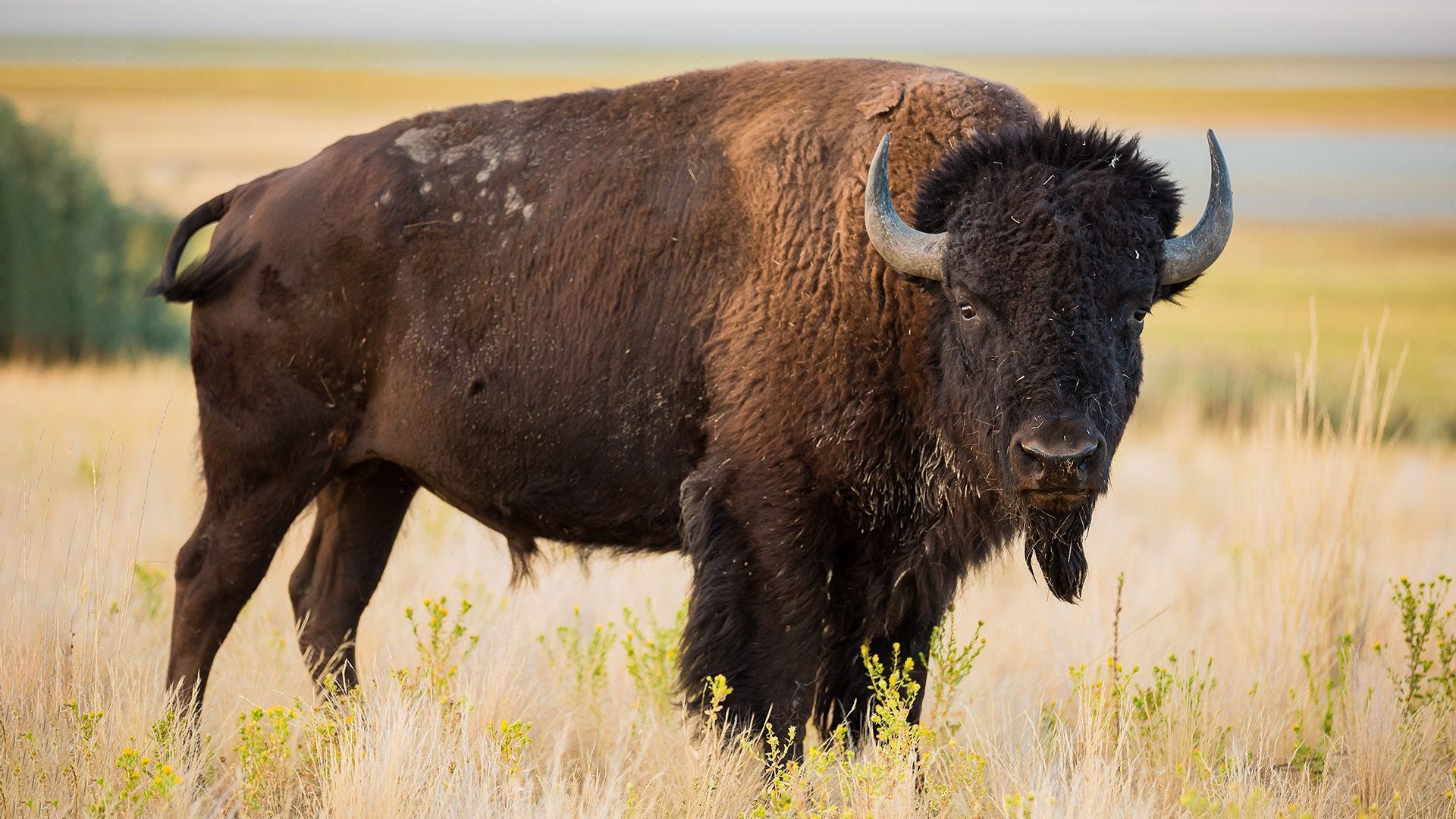
Imagine the great North American prairie. In the 1800s, these vast grasslands housed millions of bison, large bovines that played a keystone role in the ecosystem. That is to say, as their herds move and graze, they help shape the ecosystem and keep it healthy. Today, they’re considered nearly extinct in the wild. Nonprofit American Prairie is trying to change that by reintroducing bison to the Great Plains.
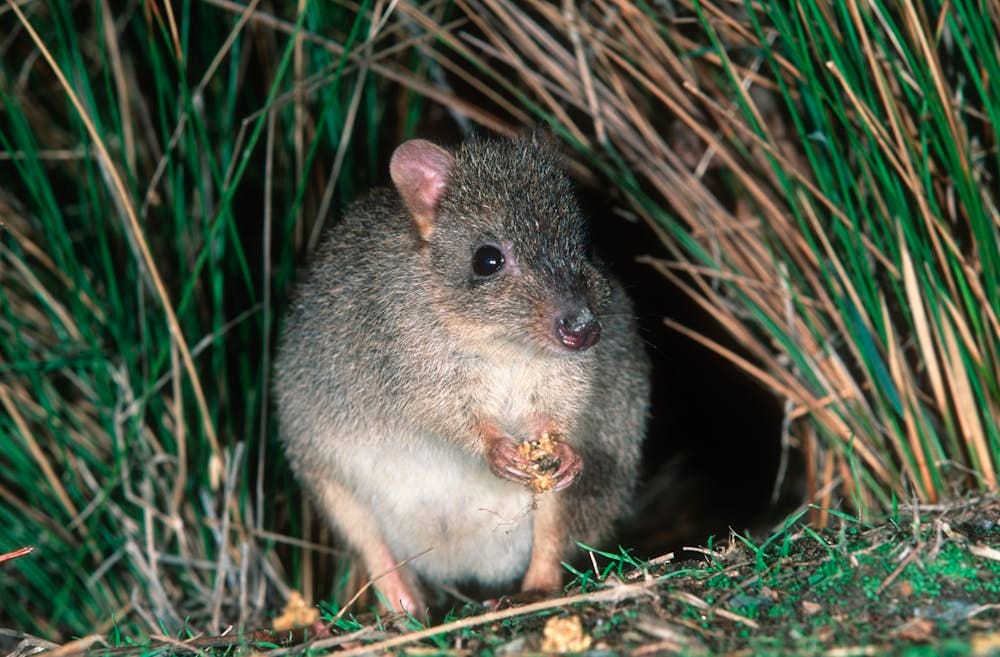
In Australia, the WWF is leading a similar initiative focused on much smaller mammals: bandicoots, potoroos, bettongs, and wombats. Like the bison, these little guys increase the resilience of the ecosystems they belong to without even trying. For one, their digging up the land helps germinate seeds and cycle nutrients. Wombats’ underground burrows can also provide safe havens for other wildlife during bushfires.
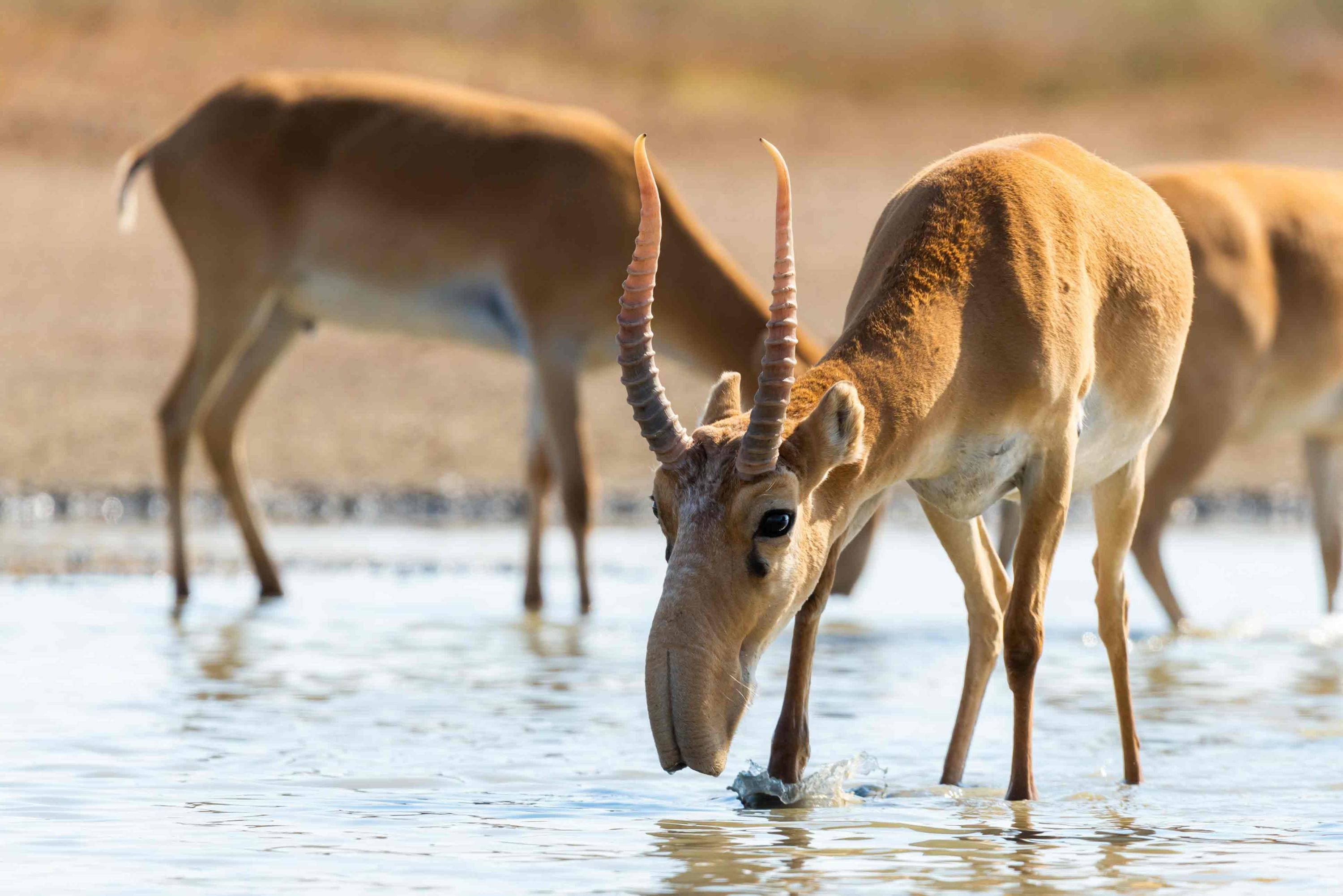
An incredible success story comes from the Golden Steppe of Kazakhstan, Altyn Dala, where the iconic Saiga Antelope was on the verge of going extinct just twenty years ago. Now, they number in the millions. Other species like the Kulan wild ass and Kertagy wild horse have also been reintroduced. Over the years, this conservation project has grown to one of the largest in the world.
These three projects aren’t just conservation initiatives. They are specifically aiming to rewild the regions in which they operate. Rewilding can be thought of as a subset of conservation that aims to reinstate natural processes and, in some cases, missing species into landscapes that have been degraded by humans. The goal is to make these ecosystems self-sustaining with minimal human intervention.
Organizations dedicated to rewilding have popped up all over the world, as earlier examples show. There’s Rewilding America Now, Rewilding Europe, the Rewilding Institute, Re:Wild, and many more. Their projects aim to revive biodiversity in targeted areas and improve the ecosystem’s resilience to occurrences like floods and wildfires. Since the end result is meant to be self-regulating, it is both a cost effective and sustainable method of conservation.
These are scientific initiatives that require specialized expertise to identify conservation corridors, i.e. the expanses through which certain species migrate, and monitor the effects of interventions. They also require extensive communication with nearby communities and indigenous tribes to ensure that efforts to reintroduce these species don’t negatively affect their wellbeing or livelihoods.
By revitalizing the immediate environment, some rewilding projects, and conservation initiatives in general, can even provide new economic opportunities to locals. Some ways this can happen are through stimulated nature tourism or through nature-based enterprises such as fishing.
TL;DR
The best way to protect the living world and conserve its biodiversity is a hotly debated topic. Each method has its advantages and its drawbacks. That being said, while the conservationists of yore wanted to return landscapes to what they were like at prior points in time, rewilding acknowledges that ecosystems are dynamic. This allows rewilding projects to meet the ecosystems where they are and create solutions based on their current, material circumstances.
A landmark 1998 paper by biologists Michael Soulé and Reed Noss is often credited with birthing the rewilding movement. In it, they posited that ecosystems need three things to sustain themselves (the 3 Cs): core protected areas where they can live undisturbed, corridors connecting those areas so animals can migrate, and carnivores or other keystone species that shape everything else below them in the food chain.
Since then, researchers have added three more C’s to the framework: climate resilience, coexistence with human communities, and compassion for animal welfare. Maybe over time we will continue to expand on the fundamentals; no one is claiming that the philosophy of rewilding is perfect. Yet, the results we are seeing from those putting its principles in practice are astounding.
If anything, perhaps we should be applying them in many other places like cities and our homes. How about starting with your own yard, if you have one? Plant native varieties. Mix various colors, textures, and heights. Whatever you do, it really is time to ditch the perfect green lawn.